
How to Enter an Art Competition and Boost Your Artistic Journey
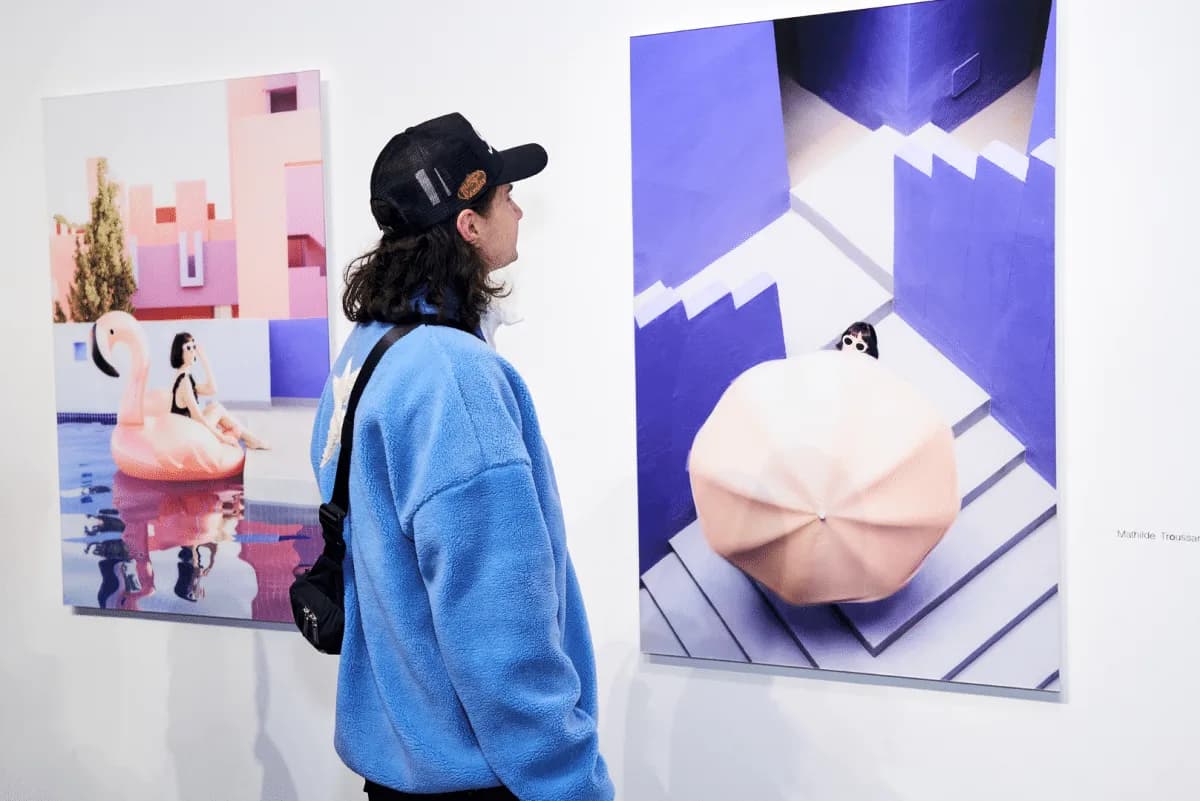
Participating in art competitions can be a powerful way to grow your confidence, advance your career, and deepen your understanding of your own work. Think of them as milestones on your creative path, offering valuable opportunities to showcase your art to an esteemed jury and gain recognition for your talent.
Even if you’re not selected as a finalist, the experience itself can provide valuable insights, helping you to evolve and refine your approach as an artist. But how do you make sure you’re entering the right competition, and what steps can you take to increase the visibility of your work among a field of talented entrants?

Choosing the Right Art Competition
When selecting art competitions, it’s worth investing time and thought. Different contests serve various purposes, so finding the right one depends on your goals and where you are in your career. For example, the Chelsea International Fine Art Competition offers a prestigious platform for artists in visual arts disciplines like painting, sculpture, digital art, drawing, and mixed media, providing selected artists with a unique opportunity to exhibit in New York City.
Choosing a competition that aligns with your aspirations can make a meaningful difference. Are you aiming to gain local visibility or break into an international art scene? By defining your goals and matching them to specific competitions, you can pave the way for growth and recognition.
Steps to Entering Your Artwork Successfully
Once you’ve found the competition that’s right for you, here’s how to make the most of your entry:
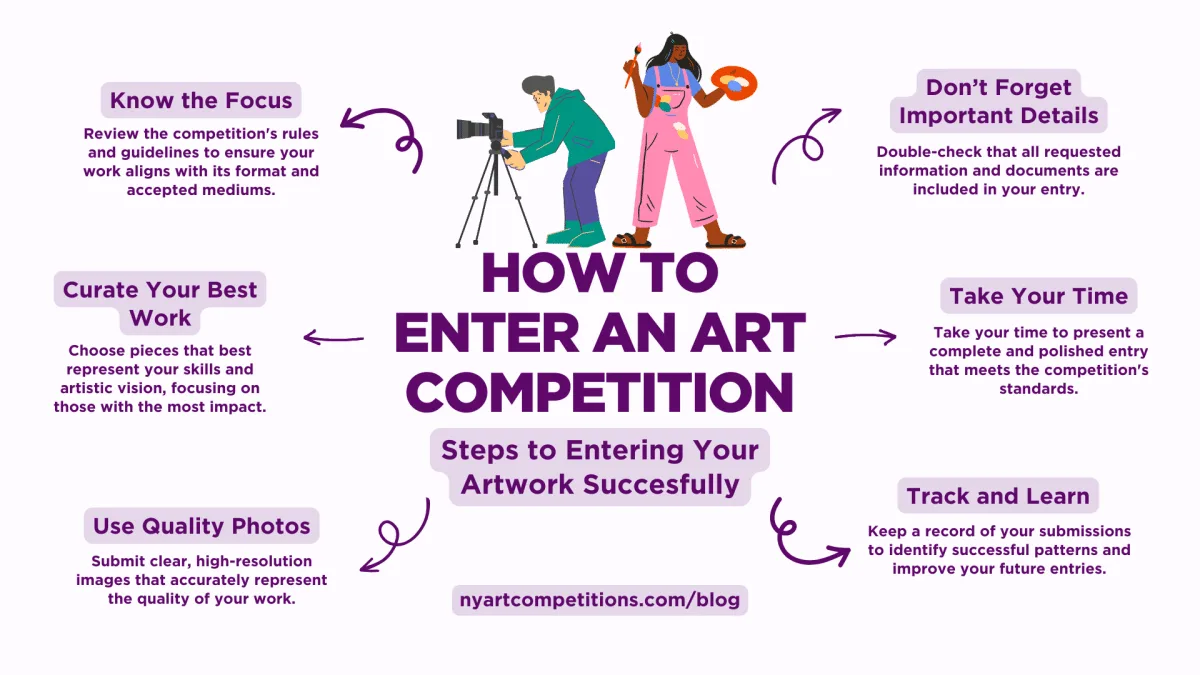
1. Know Your Competition’s Focus
Each competition has its own areas of emphasis. Carefully review the rules and guidelines to ensure your work aligns with the competition’s format and accepted mediums. For instance, entering abstract sculptures to a digital art competition won’t yield the results you’re looking for. Familiarizing yourself with the competition’s requirements will help your work stand out.
2. Curate Your Strongest Work
Select pieces that best represent your skill and artistic vision. While it’s tempting to enter works you’re emotionally attached to, remember that the judges will be assessing each entry objectively. Get feedback from others if needed to choose the pieces that make the most impact. Showing a cohesive style can strengthen your entry, as it gives judges a clear sense of your artistic identity.

3. Use High-Quality Photos of Your Artwork
Most art competitions require digital images, and these photos of your artwork are often the only way judges can experience your work. Make sure your photos are high-resolution, well-lit, and showcase the true quality of each piece. Poor-quality images can detract from the viewer’s perception of your work, so investing in good photography is essential.
4. Include All Required Details
An incomplete entry is one of the easiest ways to be overlooked. Make sure you’ve included all the requested information, such dimensions of each piece or any other necessary documents. A quick final check can prevent small errors, like missing information or typos, from impacting your chances.

5. Allocate Time to Perfect Your Entry
Rushing through an entry can lead to mistakes or oversights. Take your time to present your work thoughtfully, ensuring each aspect of the entry meets the competition’s standards. A clear, complete entry shows respect for the judges’ time and effort, and it reflects your commitment to your work.
6. Track Your Entries and Learn from Experience
Keep a record of competitions you enter and note which pieces you submit each time. This will help you identify patterns in what resonates with judges and where you’ve had the most success. Over time, this insight can help you fine-tune your approach and increase your chances of success in future competitions.
Final Thoughts
Approaching art competitions with a clear plan can open new doors in your artistic career. Remember, the selection process is highly subjective, with many factors influencing the final outcome. Don’t be discouraged by rejections—each experience is an opportunity to learn and grow. And who knows? Your next entry might be the one that catches the judges’ attention.
Curious about upcoming competitions? Visit https://nyartcompetitions.com/ to explore opportunities like the Chelsea International Fine Art Competition and take the next step in your artistic journey
Have feedback on this post?
Send us a note — we read every message.