How to Create a Professional Portfolio as an Artist

As an artist, your portfolio is one of the most critical tools for presenting your work to galleries, curators, potential buyers, and competitions. It reflects your creative journey, style, and professional approach. A well-crafted portfolio can open doors to opportunities, while an unorganized or incomplete one may limit your success. Here’s a guide to creating a professional portfolio that highlights your best work and helps you stand out.

Select Your Best Work
When building a portfolio, quality matters more than quantity. Instead of including everything you’ve created, focus on showcasing pieces that best represent your unique style, technique, and creative vision. Your portfolio should tell a story about your evolution as an artist, giving a cohesive impression of who you are and the work you create.
Choose the Right Format
Artists today have multiple options when it comes to presenting their portfolios. A physical portfolio gives viewers a tactile experience, while a digital one offers convenience and flexibility. Whether you choose a binder, a USB drive, or an online portfolio, the quality of your images is paramount. Ensure that photographs of your work are high-resolution and properly lit to accurately convey the details of each piece.

Organize Thoughtfully
A well-organized portfolio is key to making a good impression. Arrange your work in a way that makes it easy for viewers to follow. Group pieces by theme, medium, or project, and consider placing your strongest works at the beginning and end of the portfolio. This approach creates a lasting impression and allows the viewer to see the progression of your work.
Include Context for Each Piece
Adding context helps the viewer understand your art on a deeper level. Include titles, dimensions, and mediums for each piece, along with a brief description of the inspiration or creative process behind it. These details can create a connection with the viewer and provide insight into your artistic practice.
Update Regularly
A professional portfolio should reflect your most current work. Regularly update your portfolio by adding new pieces and removing older ones that no longer represent your skill level. Keeping your portfolio up-to-date ensures that it accurately portrays where you are in your artistic career.

Tailor Your Portfolio to Different Opportunities
Different opportunities require different types of portfolios. If you’re applying for a photography competition, your portfolio should emphasize your best photos. Tailoring your portfolio to the specific context shows that you are professional and thoughtful in your approach.
Leverage Art Competitions to Enhance Your Portfolio
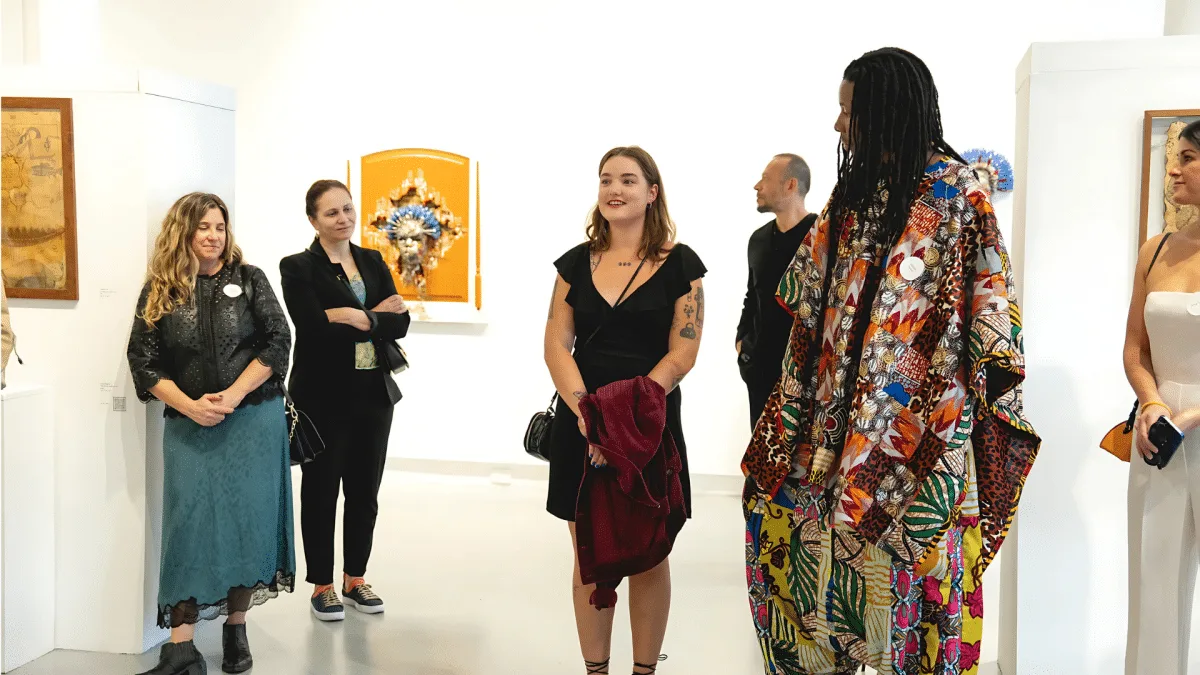
One of the most effective ways to enhance your portfolio and gain recognition in the art world is by participating in art competitions. These events give you the chance to showcase your work to a broader audience, including curators, gallery owners, and potential buyers. Art competitions offer exposure and the opportunity to build valuable connections, all of which can propel your career forward.
Conclusion
Creating a professional portfolio is a vital step in establishing yourself as a serious artist. It’s not just about presenting your best work—it’s about telling the story of your artistic journey in a way that resonates with your audience. By carefully selecting and organizing your pieces and tailoring your portfolio to each opportunity, you can make a lasting impression.
Looking to showcase your portfolio to a wider audience? Visit nyartcompetitions.com to discover the active competitions and enter your work today!
Have feedback on this post?
Send us a note — we read every message.