How Art Competitions Can Accelerate Your Career: An Interview with Carolina Carilo
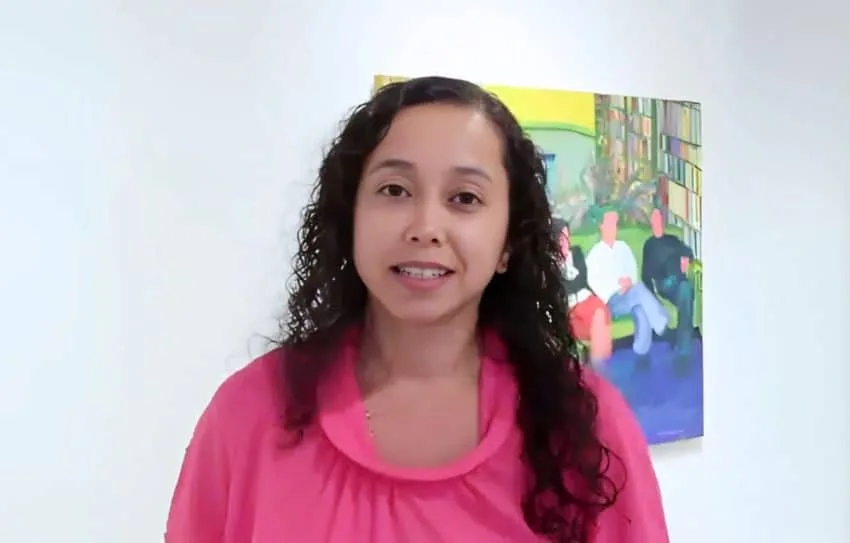
Art competitions can be turning points in an artist’s journey—but only when approached with the right mindset and strategy. We spoke with Carolina Carilo, art advisor and competition coordinator, to get her expert take on how artists can make the most out of these opportunities.
Why should artists consider entering art competitions?
Art competitions are a great platform to gain exposure beyond your immediate circle. They put your work in front of curators, gallerists, and collectors—people who are always looking for new voices in the visual arts. But beyond visibility, they also push artists to approach their practice more professionally, by preparing a strong portfolio, meeting deadlines, and learning how to present themselves and their work effectively.
What are some of the most common mistakes artists make when entering competitions?
Surprisingly, it’s often the basics that trip people up. The most frequent issue is not reading the entry guidelines carefully. It might sound minor, but missing a format requirement or submitting an image that doesn’t meet the resolution standards can instantly disqualify your work. Another key point: quality documentation. Poor lighting, blurry images, or badly cropped artwork can seriously hurt your chances—even if the piece itself is great.
How can artists choose the right competition for their goals?
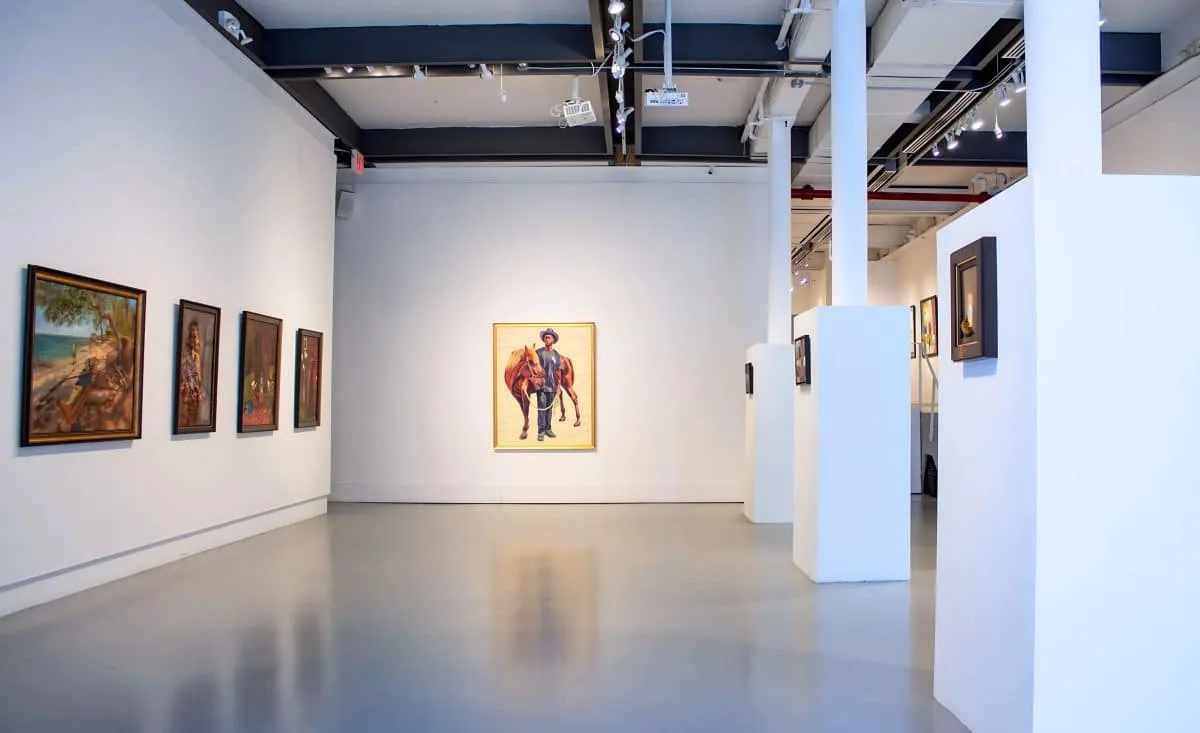
That depends on where they are in their career. If you’re just starting out and want feedback or visibility, regional or thematic competitions might be the right fit. If you’re aiming to build an international presence, then you’ll want to look for competitions that offer exhibition opportunities in major art cities like New York. Above all, make sure the competition’s values and style resonate with your own. Entering the right competition can help align your work with the right audience.
What advice would you give to artists preparing to enter a competition?
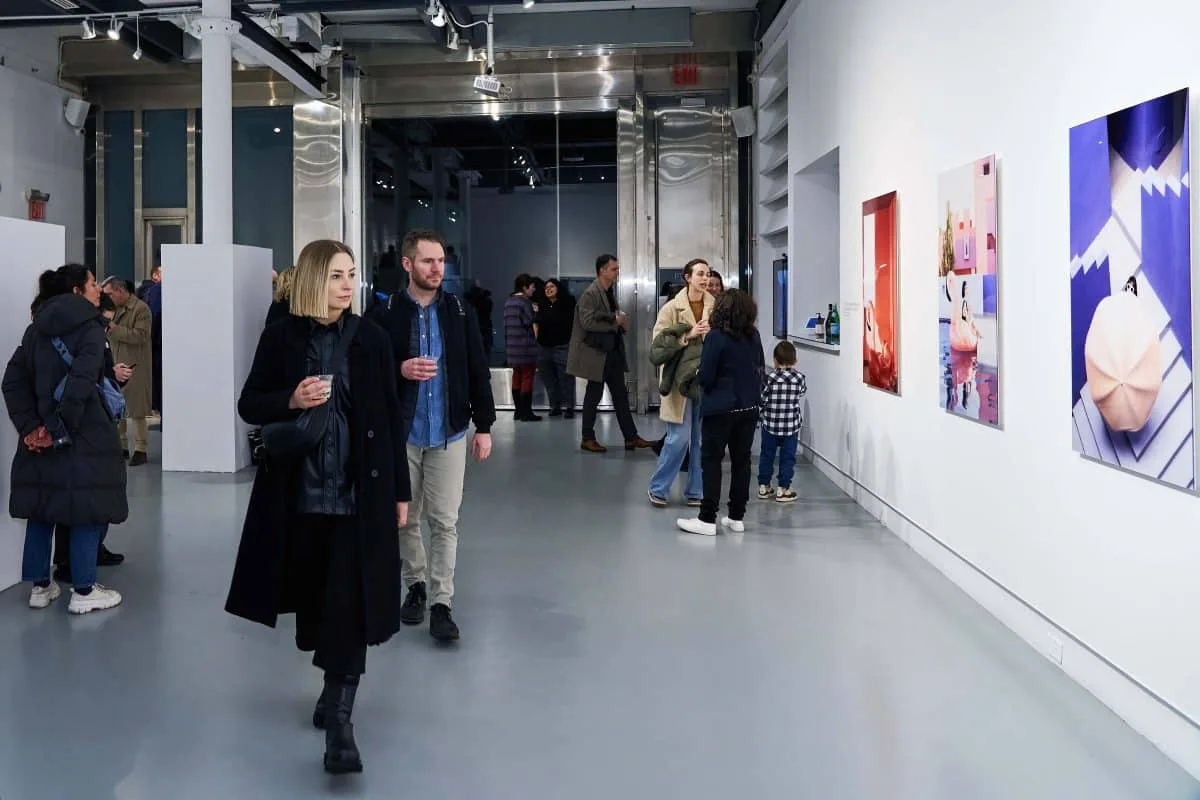
Be selective about the artworks you enter. Choose pieces that best represent your artistic voice, and that work well together as a cohesive presentation. Make sure your images are high-resolution and professionally photographed. And don’t overlook the importance of your artist statement and bio—they should be clear, concise, and tailored to each competition.

How should artists deal with not being selected?
Rejection is part of the process. It doesn’t mean your work isn’t valuable—it just might not have aligned with that specific jury’s vision. Use it as a learning experience. Look at who was selected and what kind of work was showcased. Take notes, adjust, and keep going. Consistency is key in the art world.
Final thoughts?
Art competitions aren’t just about being selected—they’re about growing as an artist, connecting with the art community, and getting comfortable presenting your work in a professional context. With the right mindset, each competition becomes a stepping stone, whether you’re looking to build your resume, expand your reach, or land your first gallery show.
Have a question about art competitions? Drop a comment below—we’d love to hear from you!
And don’t forget to subscribe to our newsletter to stay updated on open calls and new opportunities.
Ready to bring your art into a gallery and showcase it on one of the world’s most important stages? Start here—download our guide.
Have feedback on this post?
Send us a note — we read every message.